A sunny waterfall with natural slides, swimming pools, and room to slow down
Written by Nolo Hub Pai
Updated by the Nolo team, November 2026
tl;dr
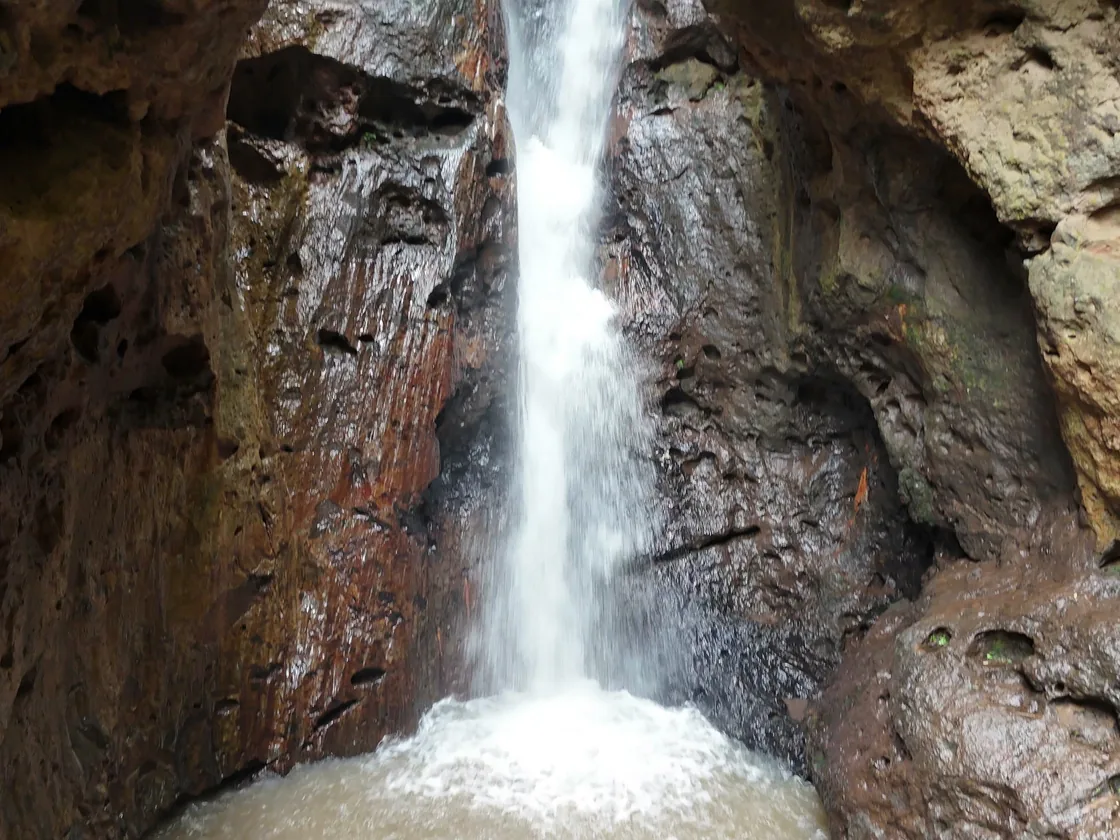
Mor Pang Waterfall is a four-tier waterfall in the hills west of Pai. Rather than dropping sharply over a cliff, water flows down broad, sloping rock faces, so the middle sections make natural slides when conditions are right.
Also known as: Mo Paeng · Mor Paeng · Mae Paeng · Namtok Mo Paeng · น้ำตกหมอแปง
Before you go
- Entry
- 100 baht for foreigners, 50 for Thai nationals — as of September 2026
- Hours
- 09:00 - 17:00 — as of September 2026
- From Nolo Hub Pai
- 10.5 km, 15–20 minutes by scooter at a cautious pace
- The slides
- The two middle tiers. Wade the landing area first, and stay out after heavy rain
- Swimming
- Two pools, often suitable for swimming
- Facilities
- Change rooms and toilets, free. Food stalls and small restaurants at the car park
- Bring
- Water, snacks and soft drinks, and take your rubbish away. No alcohol
- Best time
- Earlier in the day or later in the afternoon: it is open and sunny, and midday can be hot
- Map
- Google Maps · Apple Maps
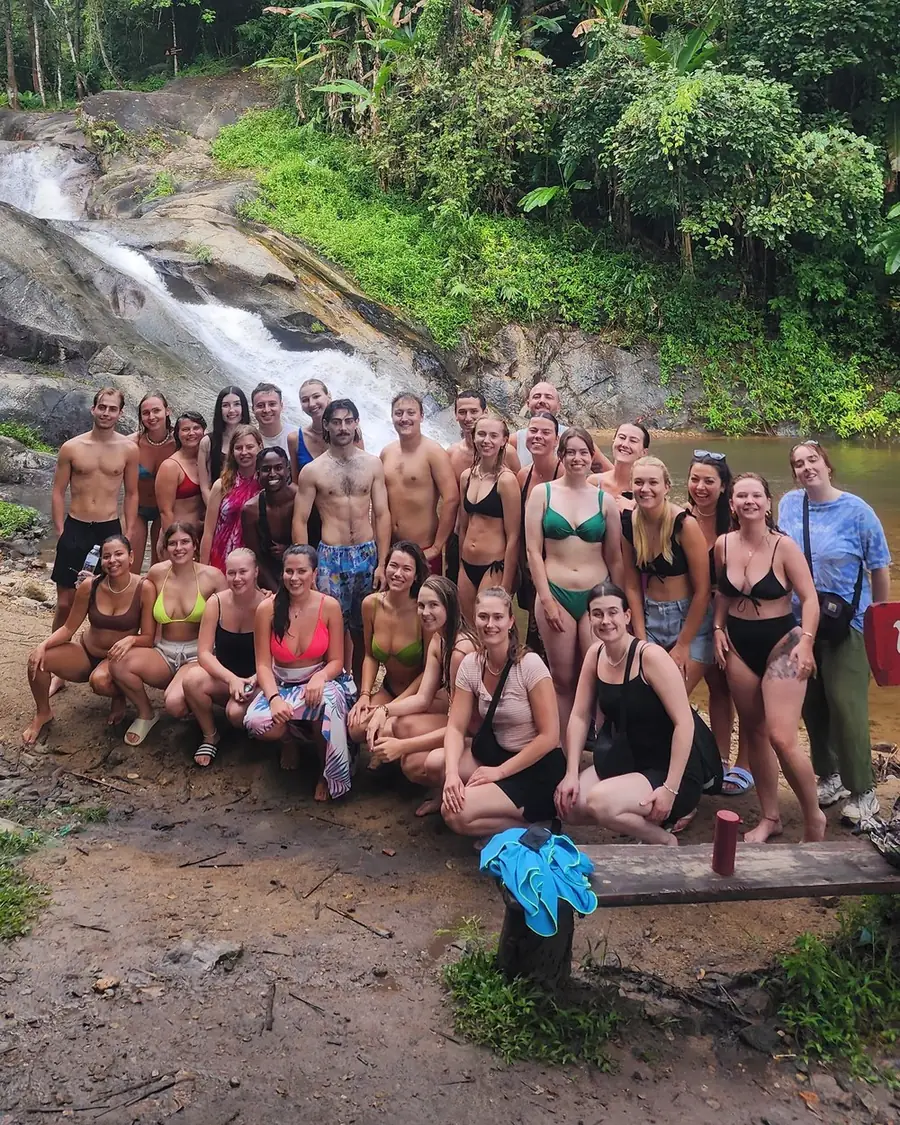
Mor Pang is one of the busier waterfalls near town, but its separate tiers make it easier to find a place to sit than at many smaller spots. Two pools are often suitable for swimming, while the rest of the waterfall is a mix of shallow stream, smooth rock, and shaded places to relax.
It is also one of Pai’s sunnier waterfalls. That is the main difference between Mor Pang and Pam Bok, around 20 minutes away: Pam Bok sits at the bottom of a narrow, shaded canyon, while Mor Pang is more open and usually warmer through the day.
Mor Pang Waterfall’s natural rock slides and swimming pools
The two middle tiers are the usual sliding spots. The lowest tier has a lovely view over the Mor Pang valley, but it drops onto rock and should not be treated as another slide.
Before sliding, always wade through the landing area first.
Check that the water is deep enough for you and that nothing has washed in after rain. Branches, stones, and other debris can sit beneath the surface where they are difficult to see. Conditions change, so make this check every visit.
The rock can be slick with algae. Wet the slide and your swimsuit thoroughly to reduce friction, especially late in the hot season when the water flow is lower. You may find buckets nearby for adding water to the run.
Take off sunglasses and leave phones, jewellery, and anything else you would not want to lose well back from the water. Never dive into the pools.
After heavy rain, do not slide. Stronger water over smooth rock does not make for a better ride; it is a reason to stay out and enjoy the view instead.
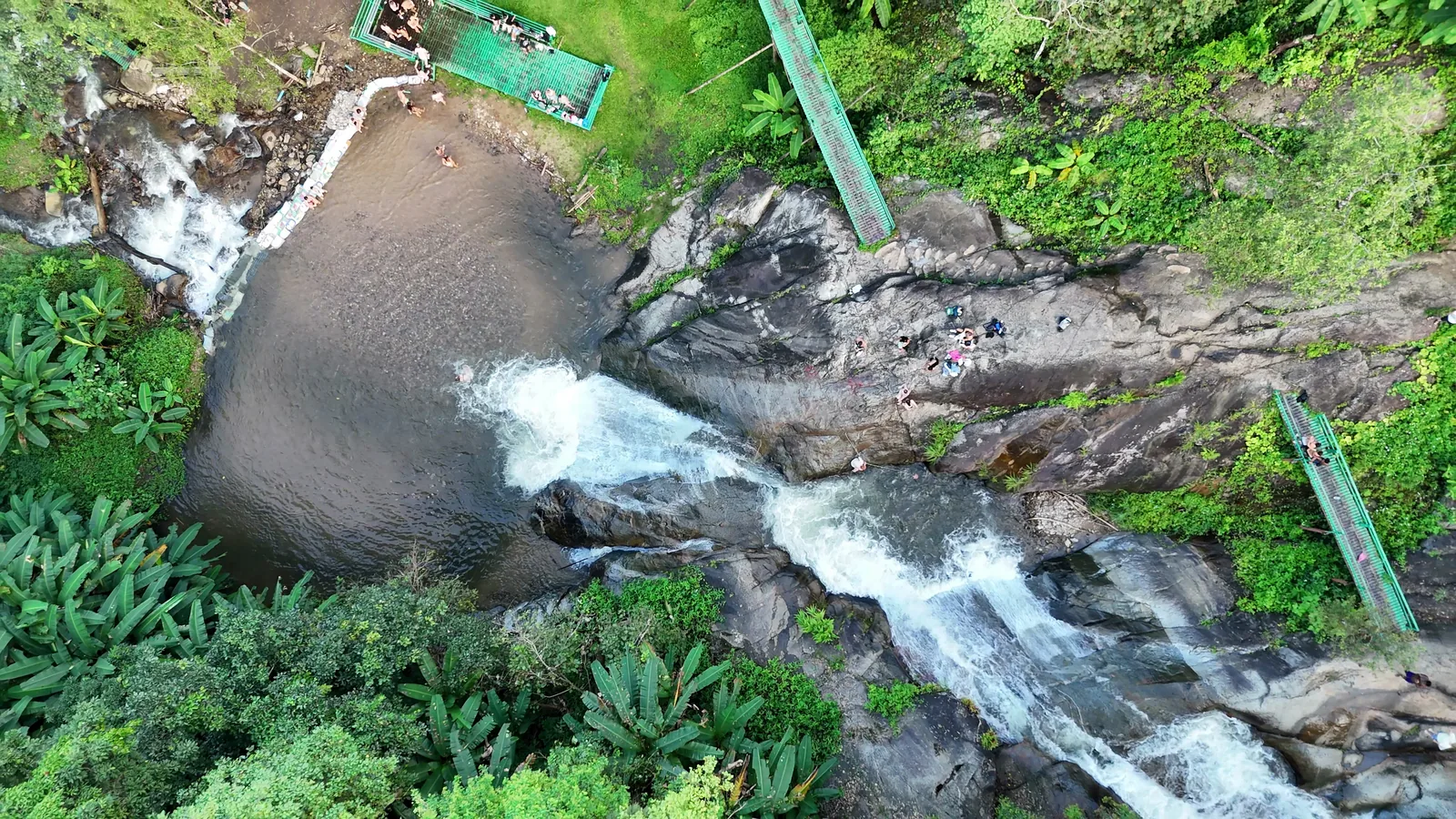
Finding your way around Mor Pang’s tiers: right path vs left path
Two paths lead down from the car park.
Take the right-hand path for the lower end of the waterfall, with sand, a small decking area, and stairs leading up towards the main sliding sections.
Take the left-hand path for the upper end, where the main stream runs and there is more flat rock for sitting in the sun.
If you have time, explore both. The waterfall is spread out enough that each side feels a little different.
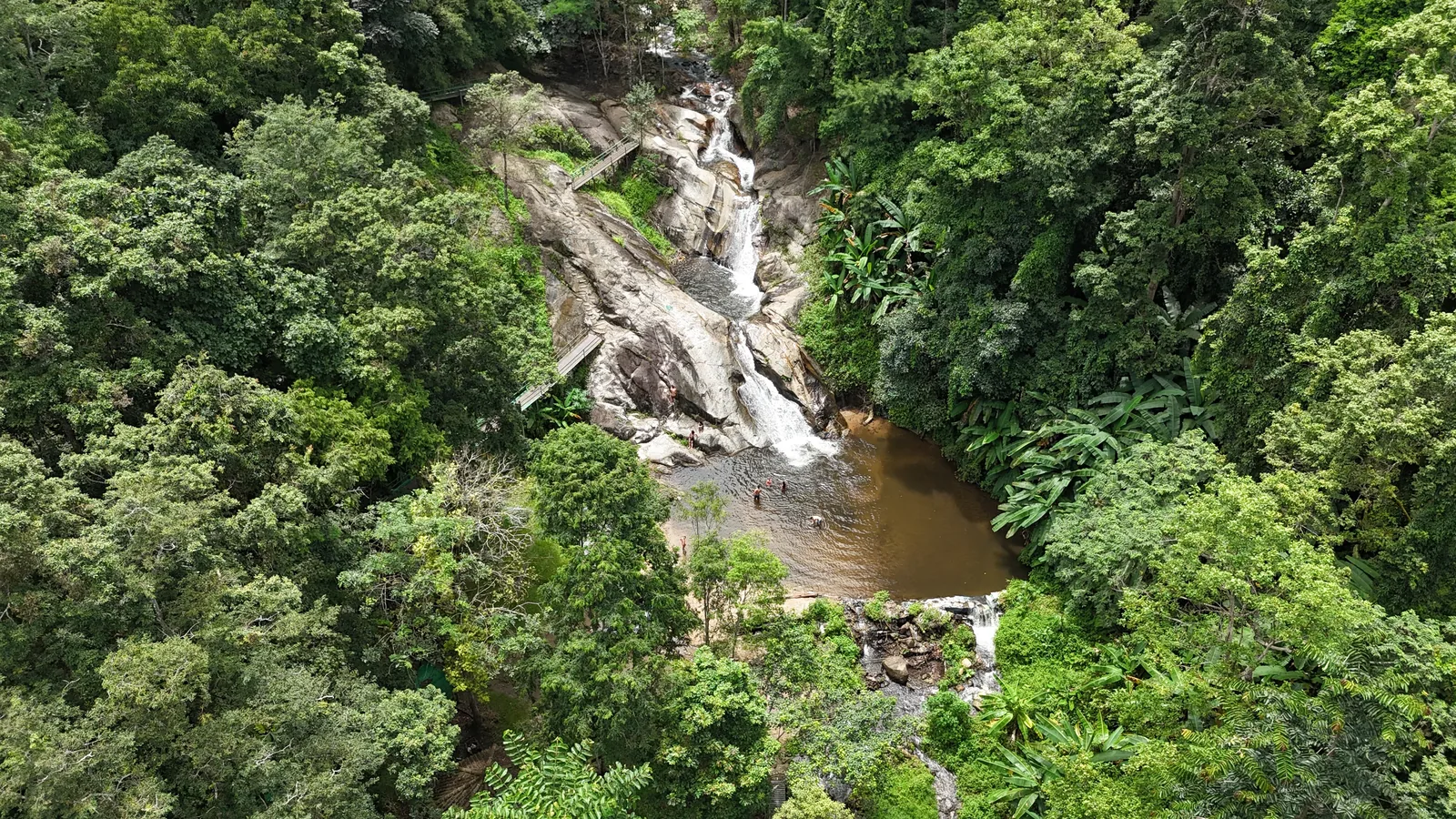
Best time to visit Mor Pang Waterfall
Mor Pang runs all year, but it changes with the seasons. Late in the hot season the flow gets lighter: the slides may still work, but they need more water and the pools can be lower. During or after heavy rain, the current can become powerful and the rocks more hazardous.
For a relaxed visit, go earlier in the day or later in the afternoon. The site is open and sunny, so midday can be hot.
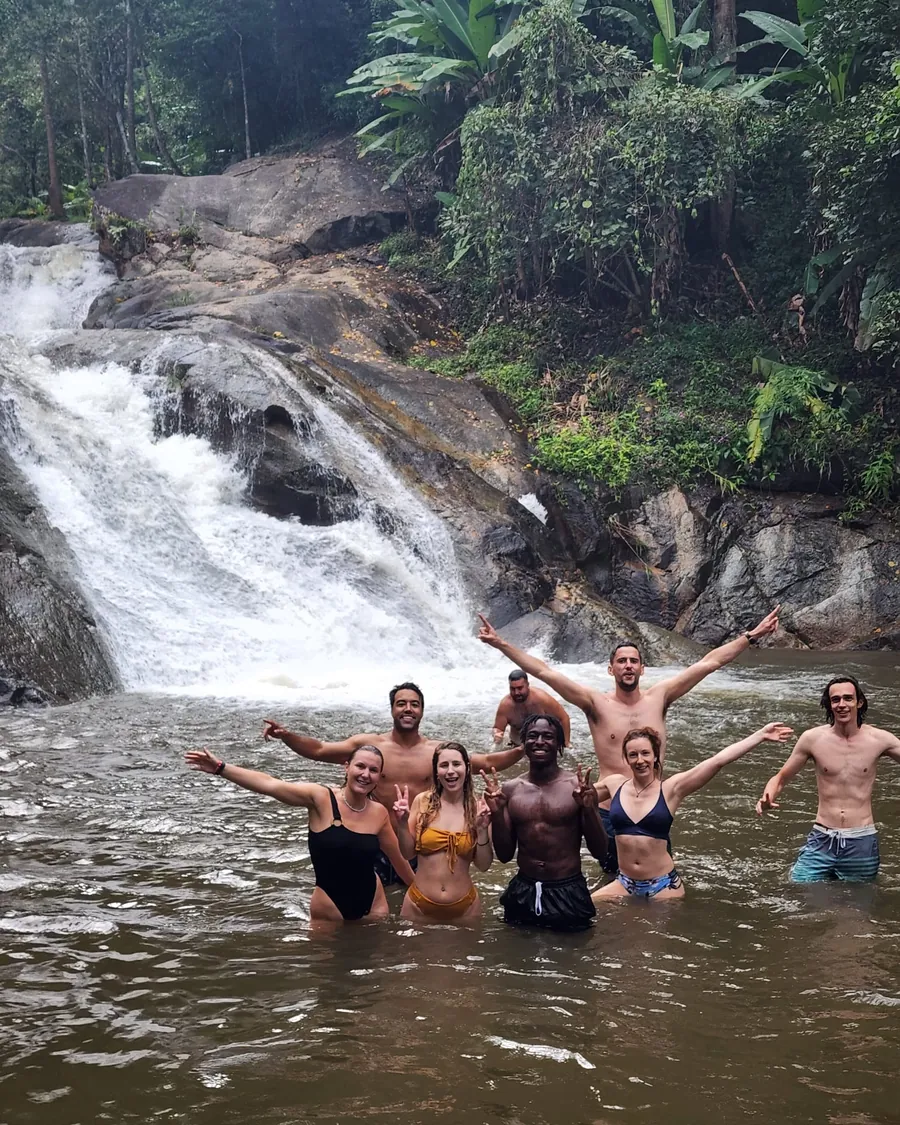
Getting to Mor Pang Waterfall from Pai
Mor Pang is around 15–20 minutes from Pai by scooter at a cautious pace. A navigation app may quote less time, but it isn’t a race, especially if you’re new to riding.
The road is mostly straightforward, with the occasional crack, pothole, steep section, and bend. You will be on or crossing Route 1095, where traffic can move quickly. Keep left, let faster vehicles pass, and do not feel pressured to match anyone else’s speed.
The final section runs through Ban Mo Paeng, where water can cross the road even on dry days. Slow down and watch for animals, pedestrians, and loose gravel.
If you’d rather not ride, ask us at Nolo Hub Pai to arrange a taxi truck or private driver. Agree the return journey and waiting time before you leave Pai. App-based pickups can be unreliable from the waterfall, and mobile signal around the pools may be limited.
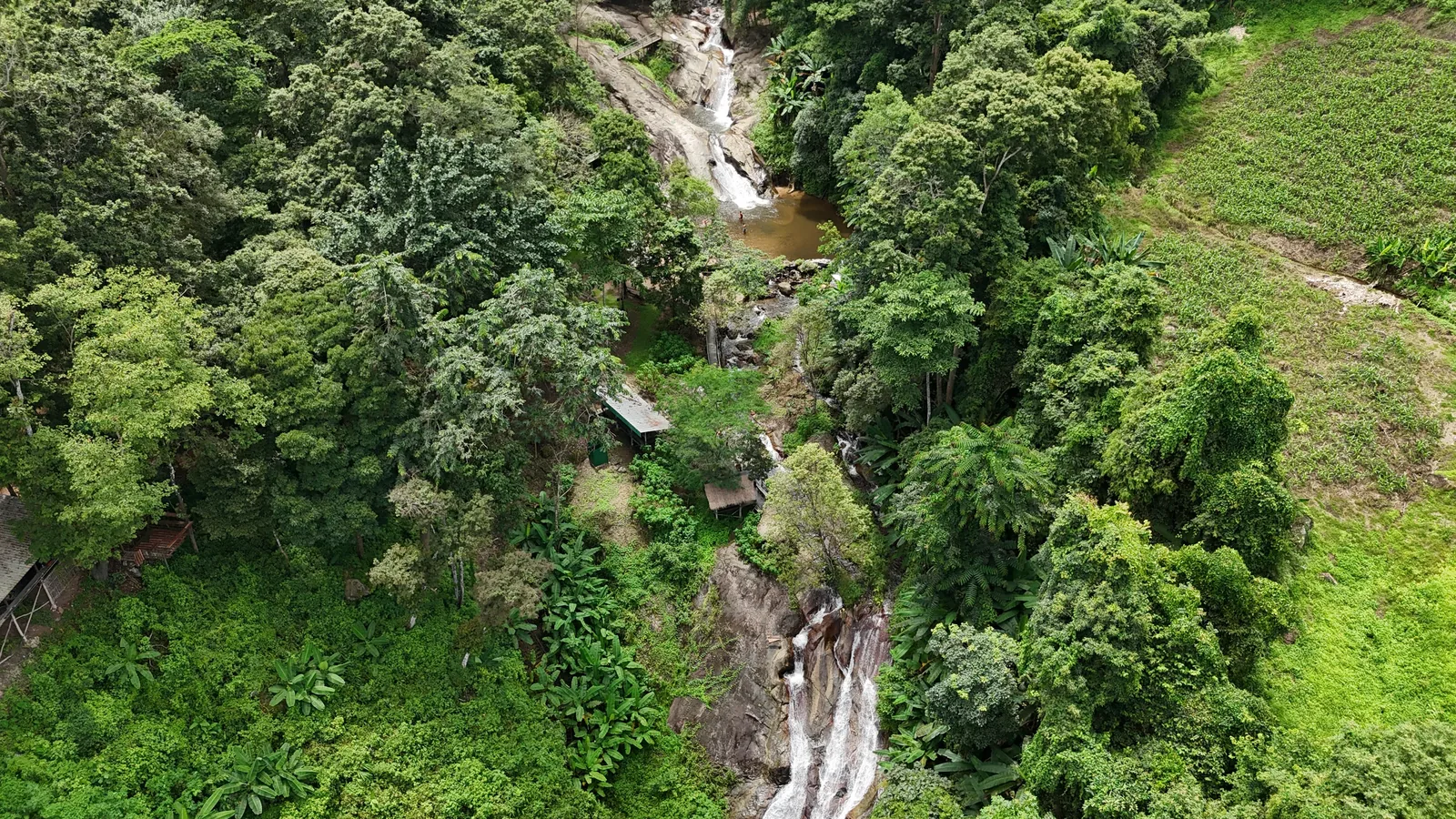
Food stalls, changing rooms and facilities at Mor Pang
There are small food stalls and local restaurants near the car park. You are welcome to bring water, snacks, and soft drinks, but please take your rubbish away with you. Alcohol is not allowed.
Mor Pang makes an easy half day out from Pai. Swim if conditions are safe, slide only after you’ve checked the water, and leave yourself enough time to sit in the sun and enjoy the valley.
Quick answers
How much is the entry fee for Mor Pang (Mo Paeng) Waterfall, and does the sanctuary pass cover it?
Entry to Mor Pang Waterfall is 100 baht for foreigners and 50 baht for Thai nationals. Mor Pang sits outside both the Lum Nam Pai Wildlife Sanctuary and Huai Nam Dang National Park, so a same-day sanctuary ticket from Pam Bok Waterfall or Sai Ngam Hot Spring does not cover it.